The History of Cheltenham Festival

The natural amphitheatre in the Cotswold Hills just outside Cheltenham was first used for flat horse racing in the early nineteenth century. There was even a race called the Gold Cup with a 100 guinea prize, which proved extremely popular. However, a religious campaign against horse racing led to the grandstand at Cleeve Hill being burnt down. In 1831, a new racecourse was established at Prestbury Park, where Cheltenham races are held to this day.

Meanwhile, steeplechase racing was growing in popularity, involving jumps over fences and other obstacles. The National Hunt Committee was established in 1860 to regulate the new sport, and the annual National Hunt Meeting became the highlight of the steeplechase calendar. This event was held at various racecourses across the country, before settling at Cheltenham in 1911, and becoming known as the Cheltenham Festival. Over the years there have been a handful of disruptions due to World War II and bad weather, with the 2001 Festival completely cancelled due to a foot and mouth outbreak in the local area. 2012 will therefore mark 101 years of this special event, and promises to be a thrilling celebration of Jump racing.

Feature Races

The Cheltenham Gold Cup was first run in March 1924, with a prize of £685 for the winner of the 3m 2.5f chase. The shorter Champion Hurdle was introduced to the festival in 1927, now held on the first day of the festival. The Two-Mile Champion Chase began in 1959, and changed its name to the Queen Mother Champion Chase in 1980 to mark her 80th birthday. This race has become the focal point of Ladies Day, which also sees fashion take centre stage. The final feature race to join the Cheltenham Festival schedule was the Stayers Hurdle, which became the Ladbrokes World Hurdle in 2005. That year also saw the three-day-event extended to four days, and a handful of new races added to the programme.

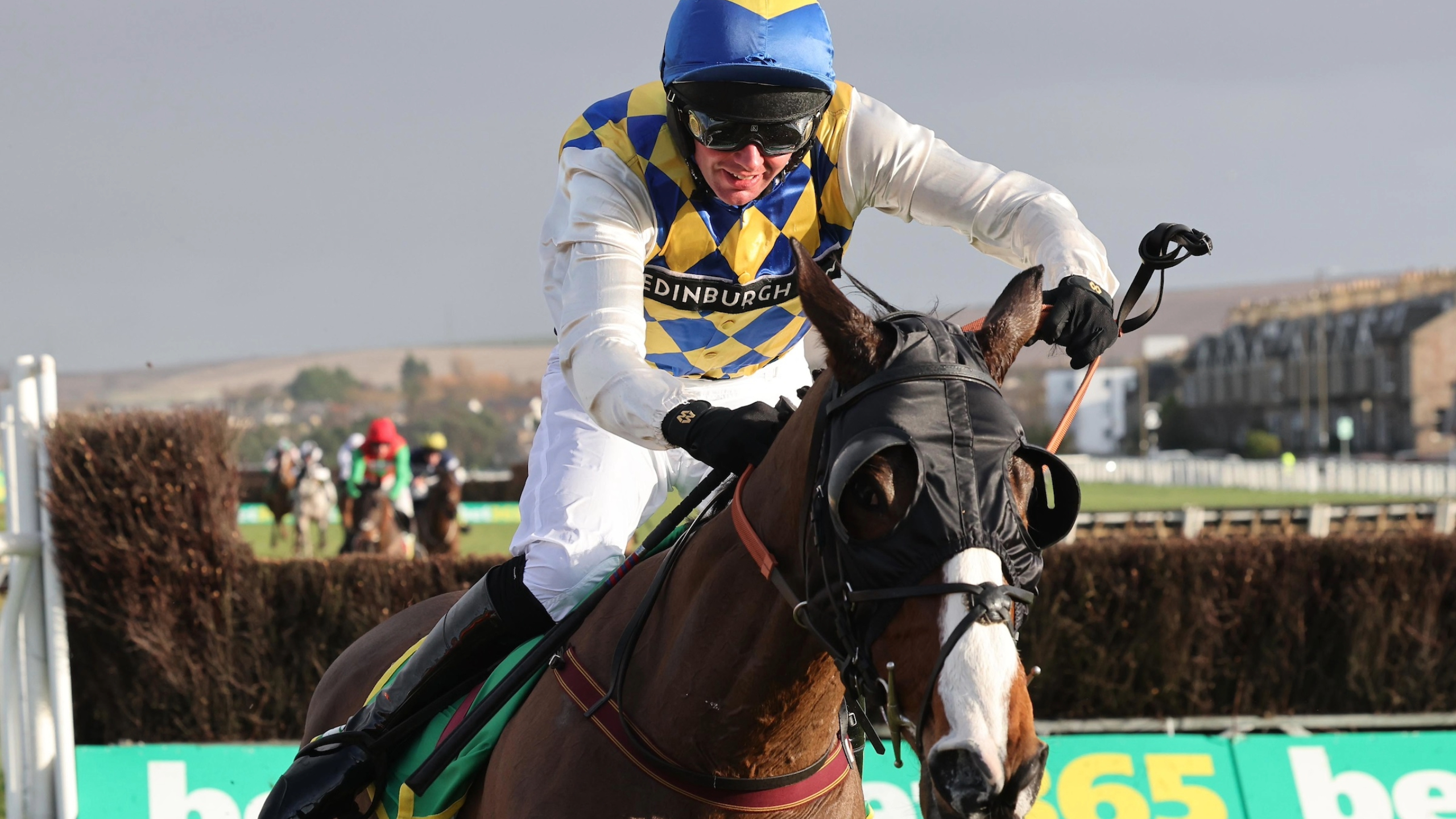
Many of the races at Cheltenham Festival include cash prizes for the owners of victorious horses. Over £3.7 million was given away in prizes in 2011, with half a million at stake in the Gold Cup alone; a large proportion of this comes from the sponsors of the race. Of course, jockeys also get their moment in the sun – the rider who wins the most races each year is named Top Jockey, a title awarded to Irish legend Ruby Walsh six times in the last decade.

During the Cheltenham Festival’s 100-year history, some seminal moments of jump racing have taken place. Highlights have included:

  • 2010 saw the first ever Ladies flat race at Cheltenham, held in aid of Cancer Research UK.
  • The Queen Mother’s own horse Game Spirit won the Two-Mile Champion Chase in 1976, shortly before the race was renamed in her honour.
  • Top Jockey Ruby Walsh rode a record-breaking seven winners in four days in 2009, including three of the four feature races.
  • The shortest priced winner of the Gold Cup was Arkle in 1966 at 1/10. The longest was Norton’s Coin in 1990 at 100/1; the champagne would surely have been flowing for risk-takers that day!
  • In the 1930s, Golden Miller won the Cheltenham Gold Cup an incredible five time in a row; of course, other legendary horses such as Arkle and Best Mate have come close with three consecutive wins.

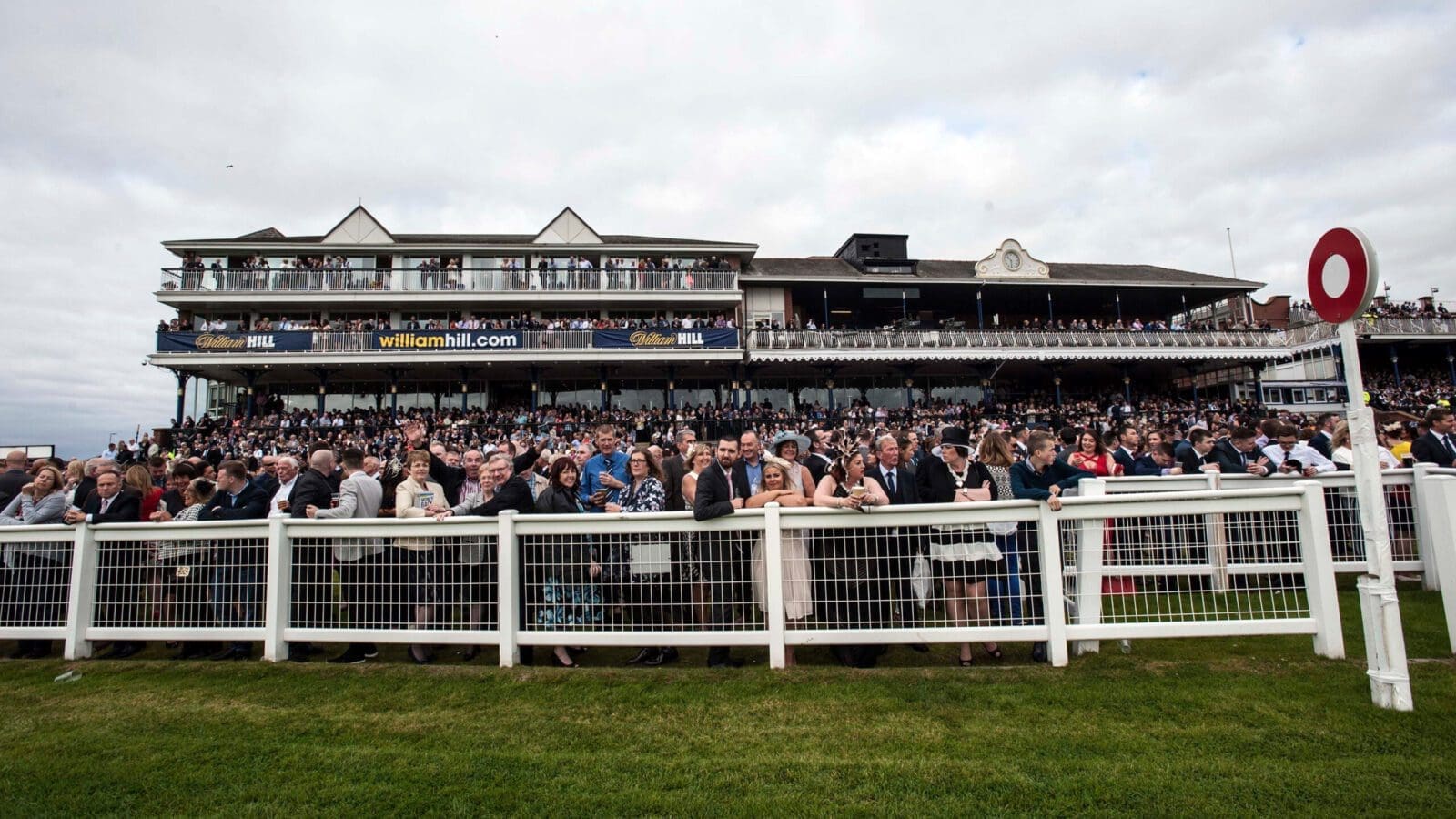
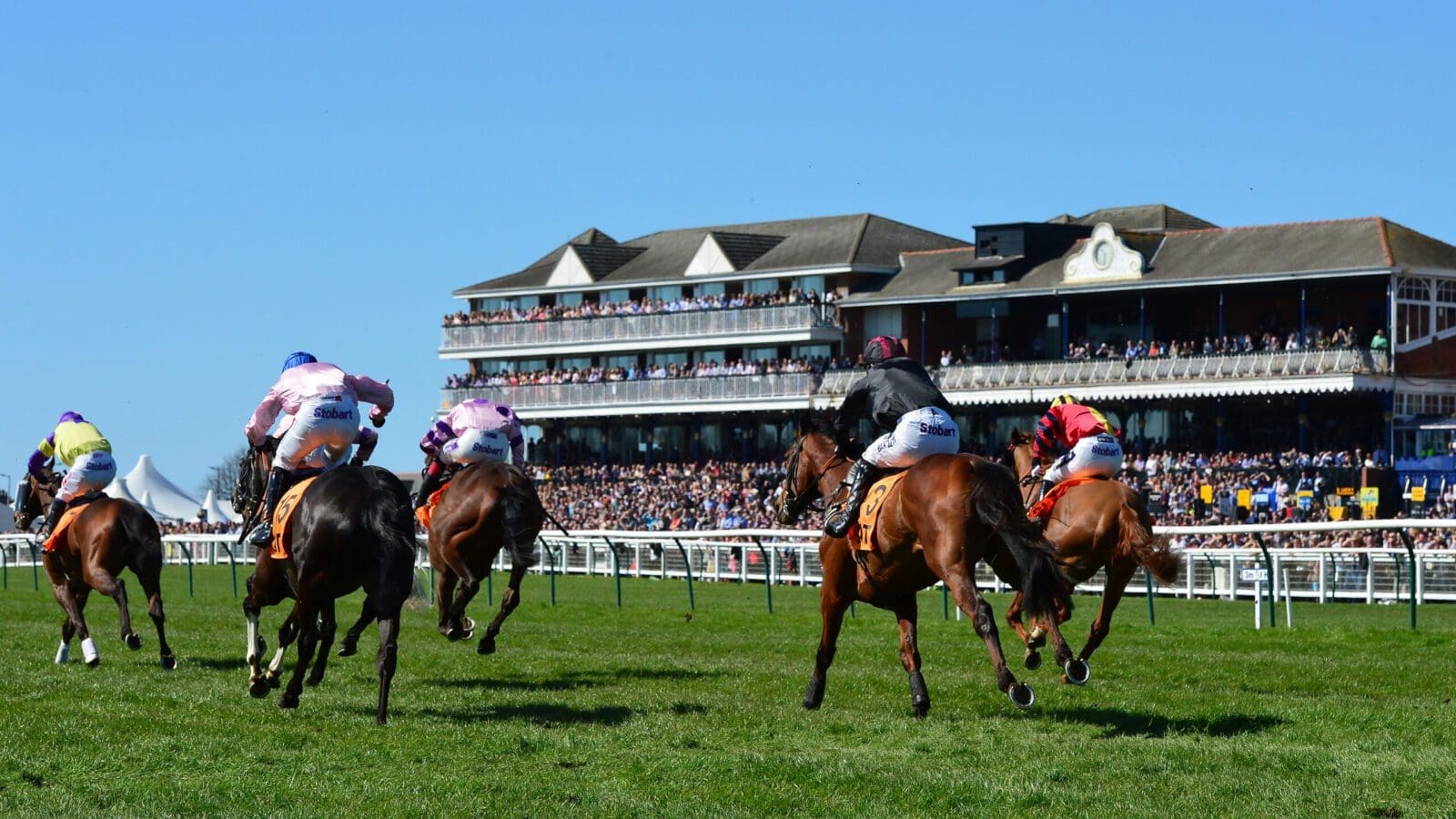
Today, the Cheltenham racecourse is made up of the OId Course (used for the first two days of the Festival), New Course (used for races on the 3rd and 4th day), and the cross-country course (notably used for the gruelling Glenfarclas Chase). The Tattershall and exclusive Club enclosures offer entertainment, bars, seating and some of the best views of the final stretch of the racecourse. A new enclosure was built in 2004 opposite the other stands, and named after Best Mate, the much-loved three-time winner of the Cheltenham Gold Cup who died of a heart attack during a race at Exeter. Each enclosure contains places to bet, including the betting ring and several shops.

Recent Winners

When choosing who to bet on it pays to look at the horse, the jockey and the trainer’s form. To help you back a winner for the 2012 Cheltenham Festival, here are the five most recent victors of the feature races:

Year Champion Hurdle QMCC World Hurdle Gold Cup
2011 Hurricane Fly Sizing Europe Big Buck’s Long Run
2010 Binocular Big Zeb Big Buck’s Imperial Commander
2009 Punjabi Master Minded Big Buck’s Kauto Star
2008 Katchit Master Minded Inglis Drever Denman
2007 Sublimity Voy Por Ustedes Inglis Drever Kauto Star